
Muscle, Steam, and the Dusty Place
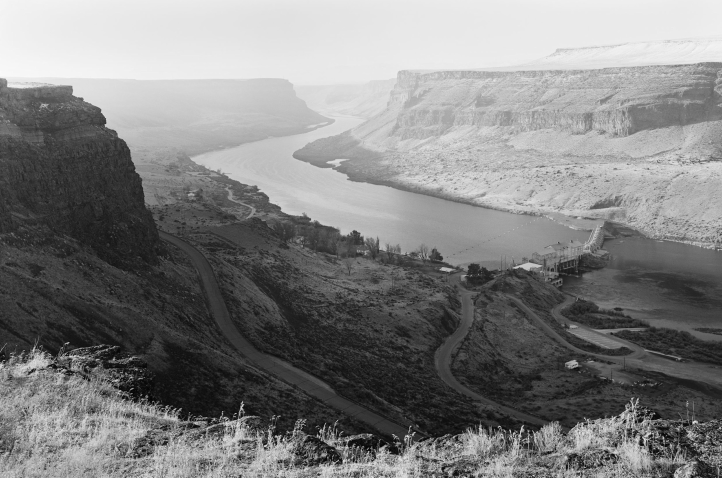
This overlook faces Swan Falls Dam, its reservoir, and the canyon below. One of the most compelling landscapes in the area. It sits twelve miles due south of Kuna, Idaho. Imagine the awe of a nineteenth-century pioneer encountering this rim for the first time. It must have been humbling.
While historians debate its origin, the name “Kuna” is said to derive from either a Shoshone term for “green leaf” or a Nez Perce word for “dusty place” — both uninspiring. Kuna was surely a dusty place until the New York Canal was completed in 1909. Before that lifeline arrived, residents hauled water in barrels from the Snake River or pinned their hopes on the erratic flows of Indian Creek.
It’s remarkable that amid this struggle for survival, Swan Falls Dam was completed in 1901. Truly a milestone in Idaho history and the first hydroelectric plant constructed on the Snake River. Originally built by the Trade Dollar Mining and Milling Company to power the silver mines of Owyhee County, it was later sold to Idaho Power in 1916. Today it stands as both a National Historic District and a functioning power plant.
The dam was built before trucks, telephones, or computers — a triumph of early engineering. Its construction relied not on the internal combustion engine but on steam-driven cranes and the raw strength of draft horses and men, hauling concrete and steel by heavy wagons up and down what remains the steepest road in the county.
I’d like to go back, sit in a lawn chair, and watch them build it from this overlook.
 jonballblog.com