
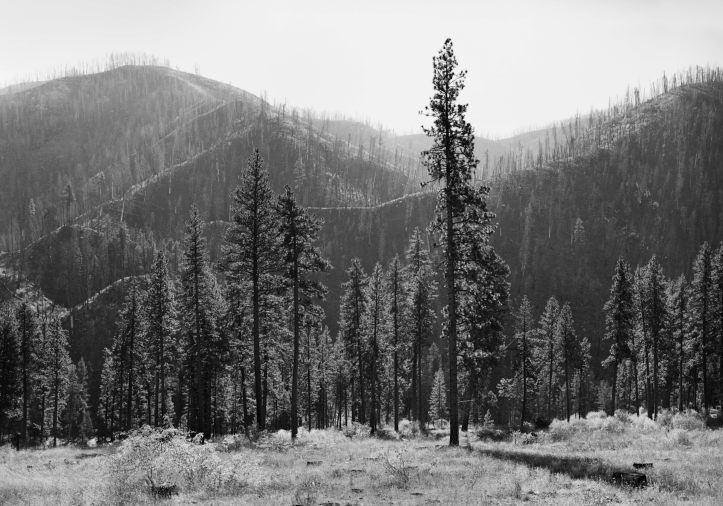
The “matchstick pine trees” in the background of this image are what remain from the massive 2016 Pioneer Fire. Before that fire, the subtle contours of this mountain would have been obscured by the thick canopy of pine trees.
The drive from Banks to Lowman, Idaho, on Highway 17 is one of my favorite stretches of road around here. It provides continuous views of sublime mountains and a previously lush forest. I photographed them for decades before the Pioneer Fire. The trees were like an incredibly dense shag carpet.
When I witnessed the aftermath of the fire, I wondered how long it would take for the forest to return to its previous glory. I was dismayed to learn it could take up to a century. It won’t return in my lifetime. My great-grandchildren will be the next ones to see it in full bloom, around 2116.
A timeline of the recovery phase after a fire like the Pioneer Fire of 2016:
Years 1–3 (The Green-Up): Recovery starts with a massive explosion of wildflowers like fireweed, as well as grasses and shrubs. Soil stabilization happens almost immediately as these smaller plants take root. Before this, the topsoil is at risk of landslides.
Years 5–15 (The Shrub & Sapling Phase): Young Ponderosa pines, Douglas firs, and Lodgepole pines will start poking through the brush. In Idaho, state and federal agencies (like the Lucky Peak Nursery) often jump-start this by hand-planting millions of seedlings to ensure a healthy mix.
Years 20–40 (The Young Forest): The “matchsticks” from the 2016 fire will likely have fallen by now. They are replaced by a “pole-sized” forest. Thick, green, and vibrant, though the trees aren’t very large yet.
Years 80–100+ (The Mature Canopy): This is when the forest returns to the “climax” state I remember. Large, thick-barked Ponderosa pines dominate the scene. These mature trees can withstand smaller fires meant to cleanse the underbrush.
Losing this incredible forest is heartbreaking, yet fire remains a necessary cycle that clears the landscape and supports new life. By suppressing every blaze, human intervention has inadvertently created dense undergrowth and ‘dog hair’ thickets. This unnatural fuel load results in fires so intense they consume even the most resilient, mature trees. While I don’t have the answer and recognize the need to protect our communities, I am deeply saddened by the loss of my favorite ancient forest.
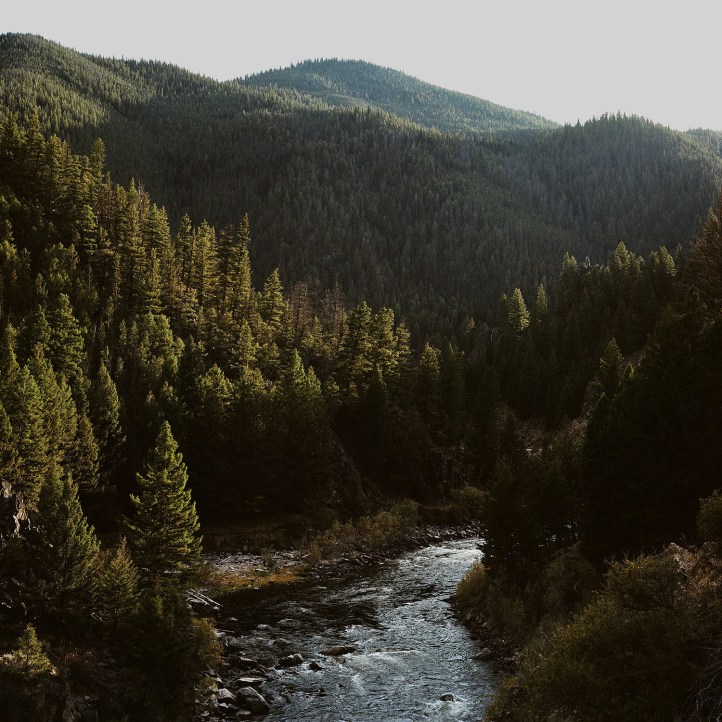
Here’s what I remember before the fire. A photo off Highway 17, in 2010.
 jonballblog.com