
In 2019, I was living in Toulouse, France, with my three kids and Sam. Sam’s inspiration led us there, a unique opportunity for an extended trip. We happily resided in France for nine months.
During that time, I focused on building my photography portfolios, constantly seeking new subject matter or fresh angles on existing themes.
Somewhere along the way, I acquired a small prism cube that became a family favorite. By closing one eye and twisting the cube in front of the other, we could create a mesmerizing mix of overlaid images and prismatic colors. It was a source of amusement for all of us.
One afternoon, while playing with the prism with my two younger daughters, I had an epiphany. I placed the prism against the iPad’s camera lens and observed the kaleidoscope of colors and overlaid images it produced.
A flash of inspiration struck: if I could position this prism in front of a real camera lens, it would unlock a world of new creative possibilities.
I initially attempted to use the cube, but it was too small to cover the lens of my Leica S. I searched eBay for a larger prism and found one salvaged from a digital projector for just €5.
I eagerly took it outside and began photographing the ancient city of Toulouse through my new prism.
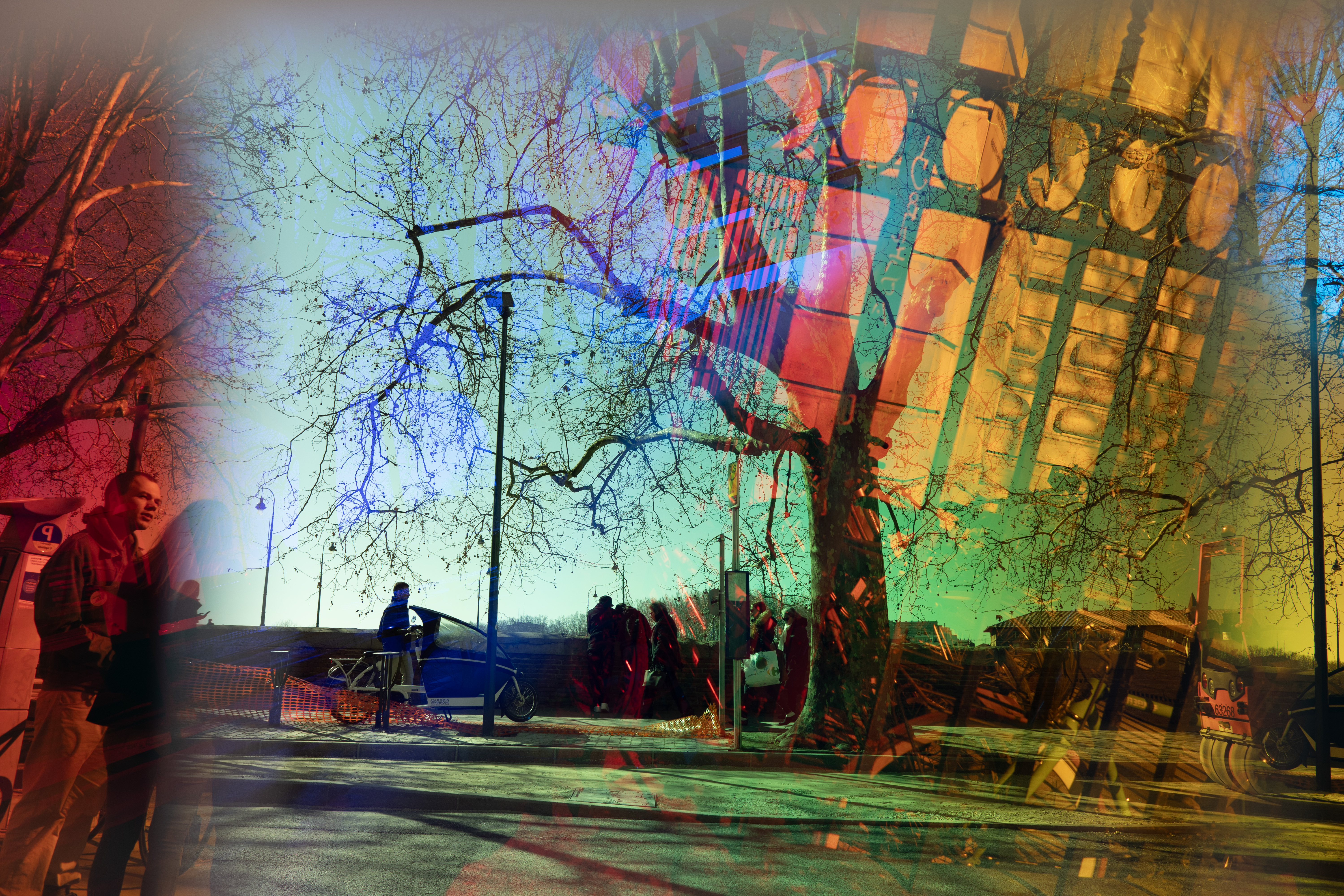
While the results were intriguing, I found them too chaotic. I envisioned a softer, more flowing aesthetic, picturing the prism melting the lines and colors of a classic photographic subject: sand dunes.
Sand dunes have been a subject of photographers since the dawn of the medium.
Some of my favorite photographers, including one of my first favorites, Brett Weston, have captured their beauty.
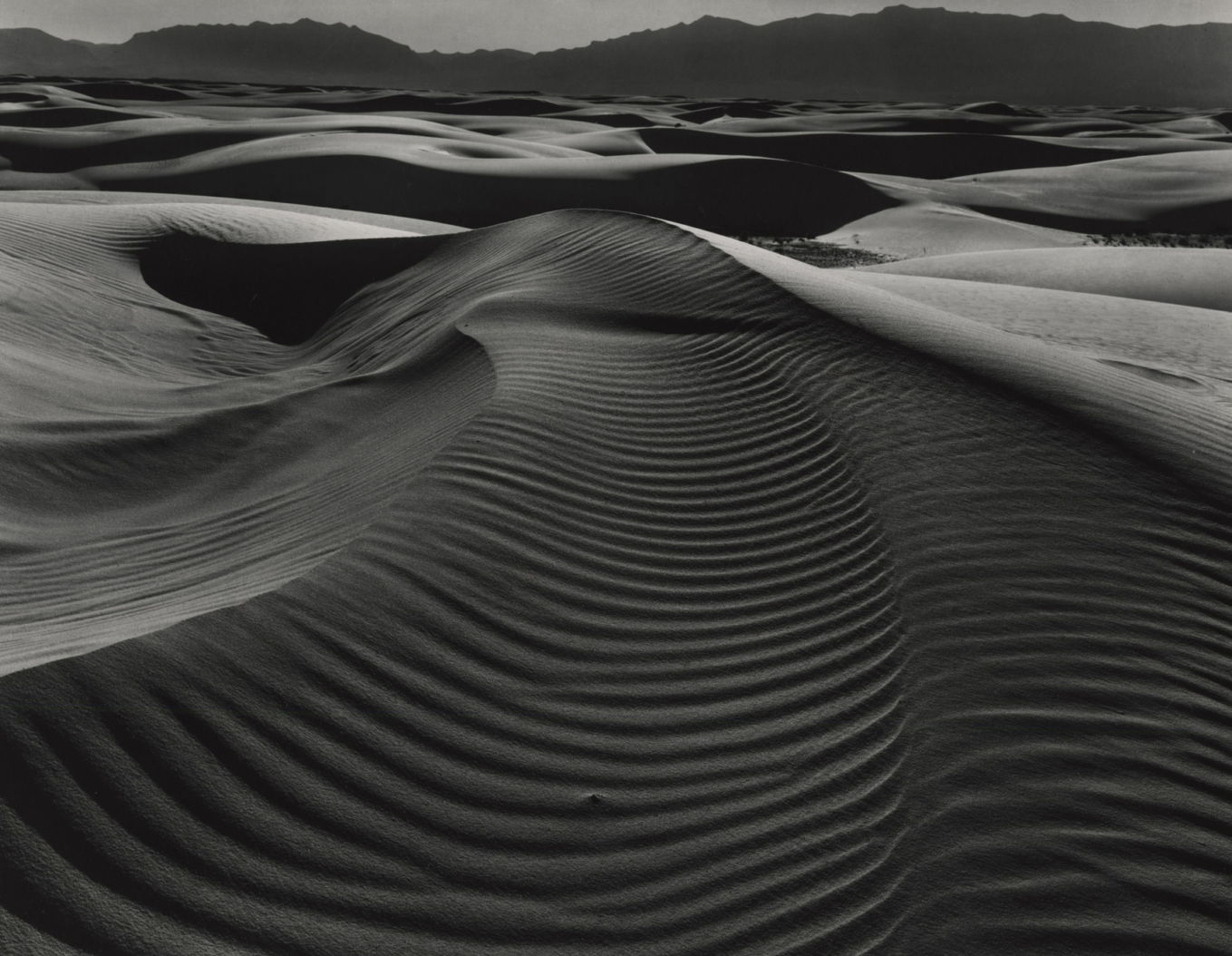
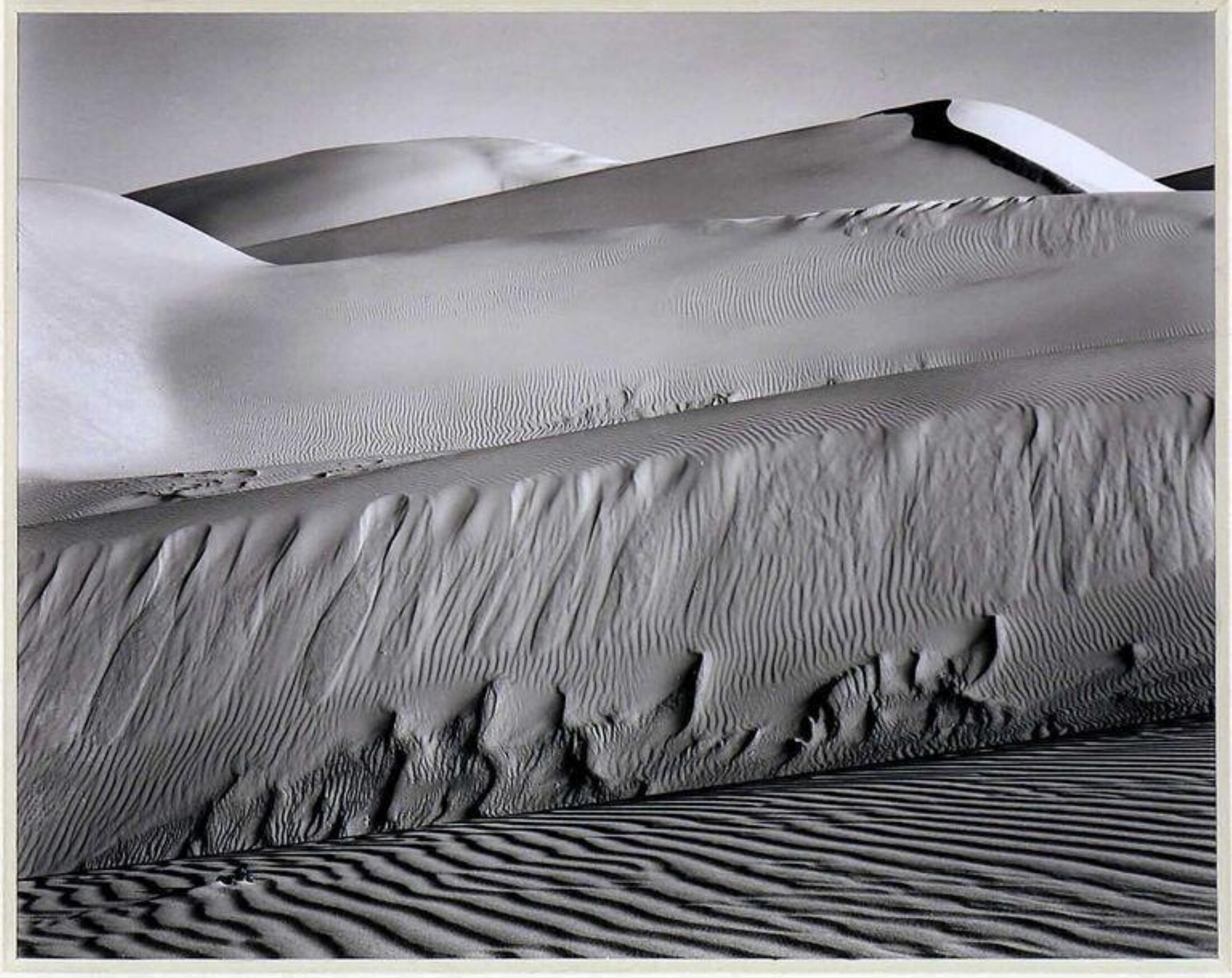
Brett Weston and his father, Edward Weston, were renowned West Coast photographers. They dedicated themselves to the art of photography at a time when its legitimacy was often questioned. Until the 1990s, the debate raged about whether photography constituted art. I recall these discussions from photography classes and magazines like Lenswork.
It seems almost comical now, as photography is arguably the world’s dominant art form, and few would deny its artistic merit. The Westons, however, treated photography as fine art throughout their lives, which ended in 1958 with Edward’s passing and in 1993 with Brett’s. Their conviction helped solidify photography’s place in the art world.
As a photographer, I’ve immersed myself in the work of others. It began in photography school; one of my favorite activities at Brooks Institute of Photography in the mid-1990s was exploring their extensive photographic library.
Brooks Institute had several buildings in Santa Barbara, including an old elementary school with ocean views. The library, positioned at the end of this building, offered a spectacular southern-facing panorama. I spent countless hours browsing, reflecting on photography, and basking in the light.
The library also housed computers with Windows 95, where I typed my papers. This was before the internet, so the computers were solely for writing and using Photoshop 4. It’s strange to think of a computer without the internet now. As a sign of my inability to see into the future I questioned the necessity of Photoshop when the darkroom served so well.
These years of research and ongoing interest in fine art photography have created a vast mental database of images and photographers. When I venture out to photograph, I subconsciously access these files, matching them to the subject matter or style I’m pursuing.
This mental library is a valuable asset.
Having seen countless stunning sand dune photographs since the 1980s and 1990s, including the impactful work of the Westons and others, the concept of sand dunes as a subject was firmly ingrained in my mind.
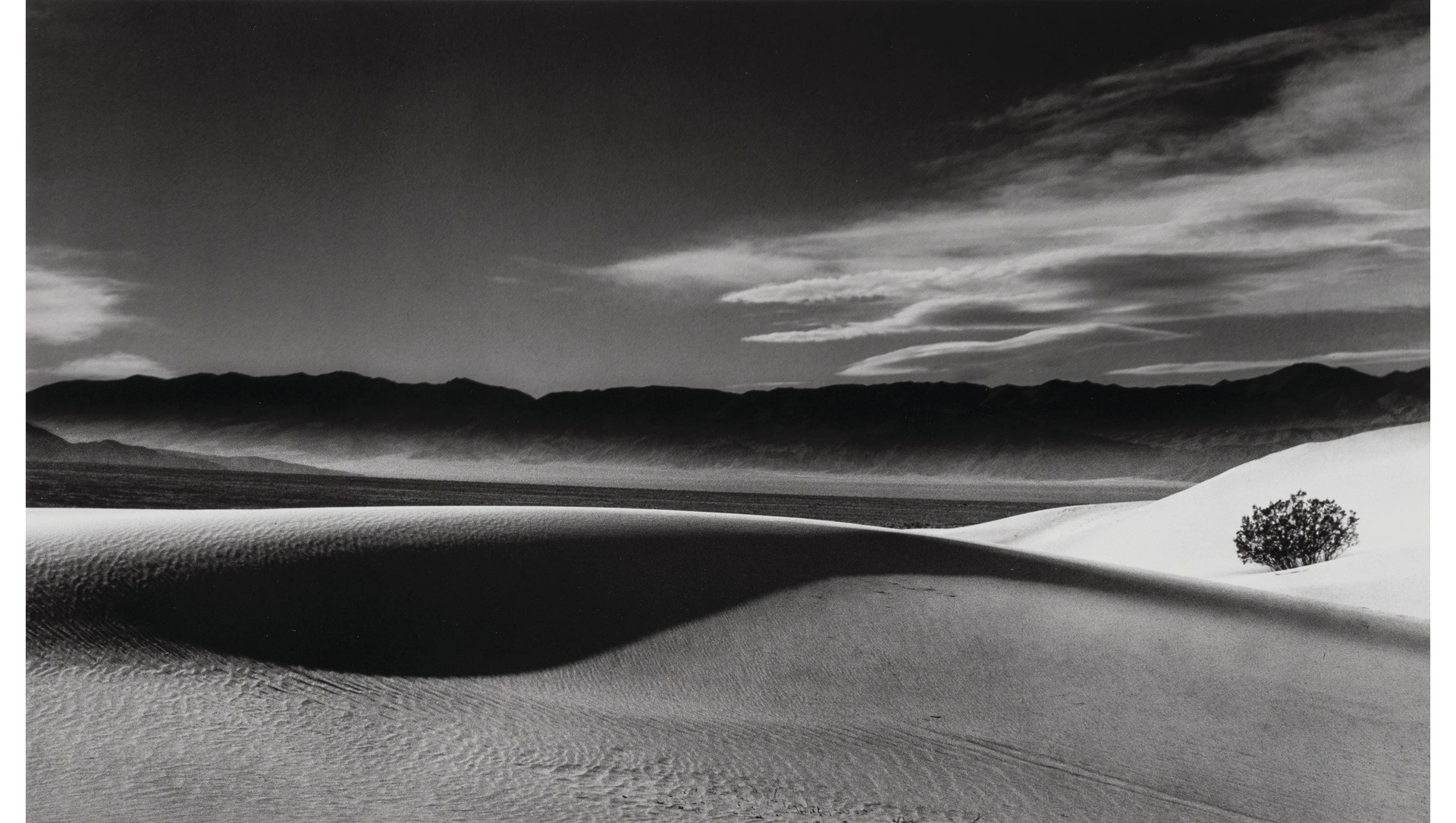
In a moment of creative fusion, the prism collided with my mental database, envisioning sand dunes through its unique lens. I was excited!
I immediately began working on capturing sand dunes with the prism, starting in Tunisia.
While living in Toulouse, I made two trips to photograph camels and their handlers in Tunisia. A camp and hotel called Ksar Ghilane, located on the edge of the Sahara Desert, provided the perfect setting to begin this portfolio.
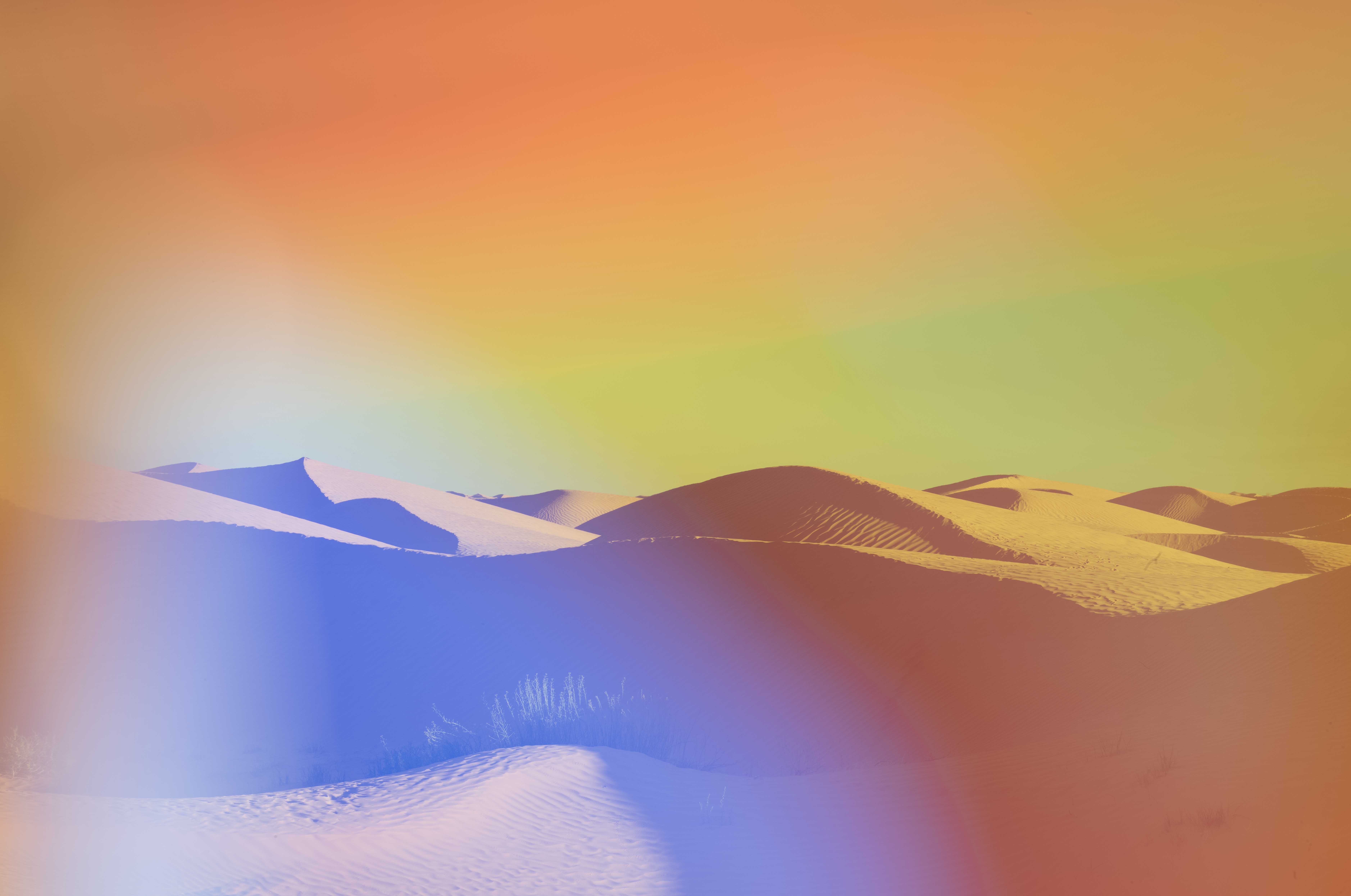
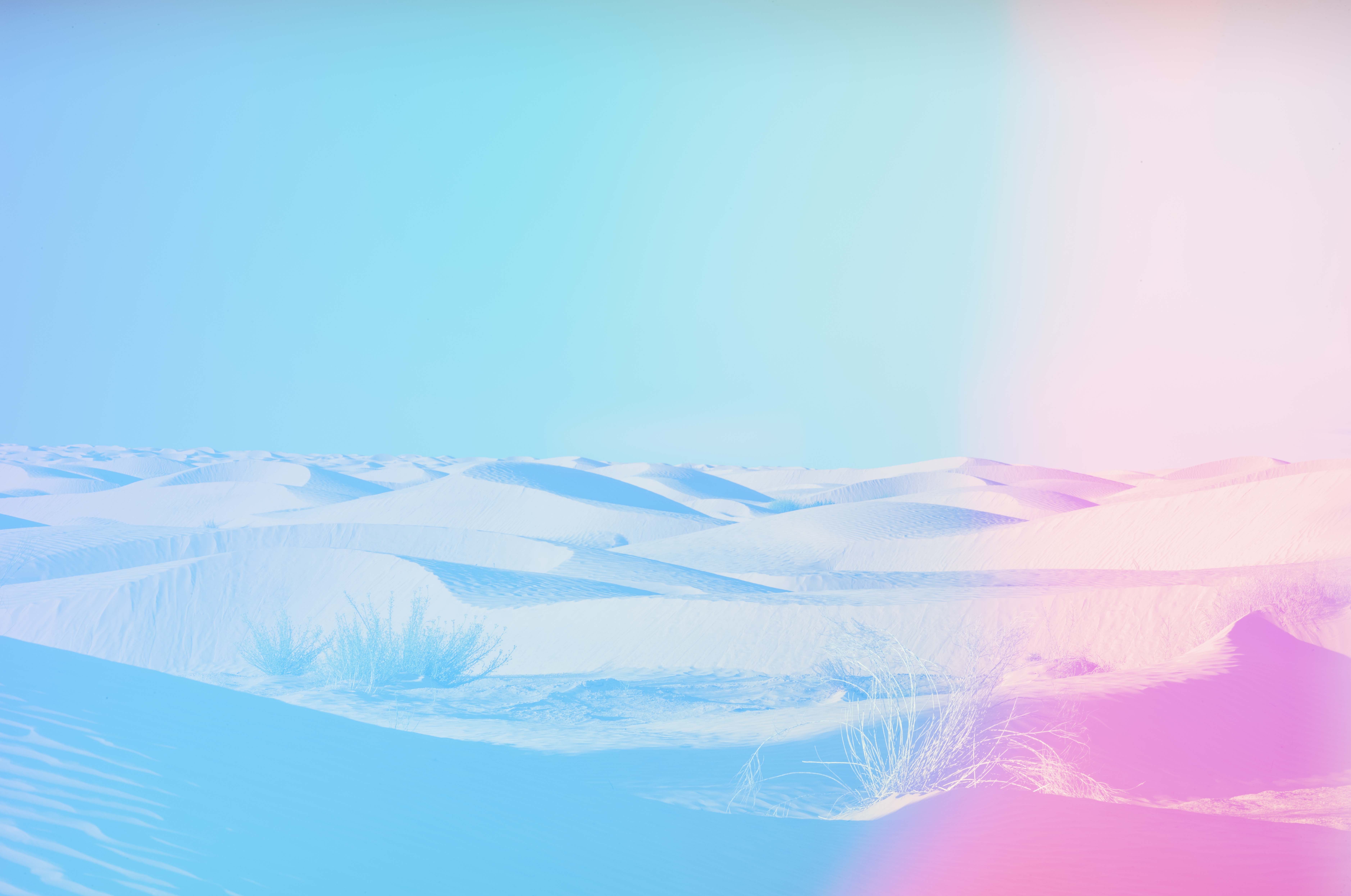
I was thrilled with the initial images, which perfectly captured my vision of soft, flowing lines and vibrant colors. Unfortunately, I only photographed in the Sahara twice. I could have made ten or more trips, further developing the project. A crucial lesson I’ve learned about photographic projects is that they are always evolving.
Consistent effort leads to gradual improvement over time. Once you stop working on a project, it’s over. A simple lesson with profound implications.
We returned to the US from France in the summer of 2019. I decided to continue photographing sand dunes with the prism, choosing two iconic locations: Mesquite Flats in Death Valley National Park and White Sands National Park in New Mexico.
I alternated between Death Valley and White Sands, each offering unique characteristics beyond the obvious difference in sand color.
My first US trip with the prism was to Mesquite Flats in Death Valley.
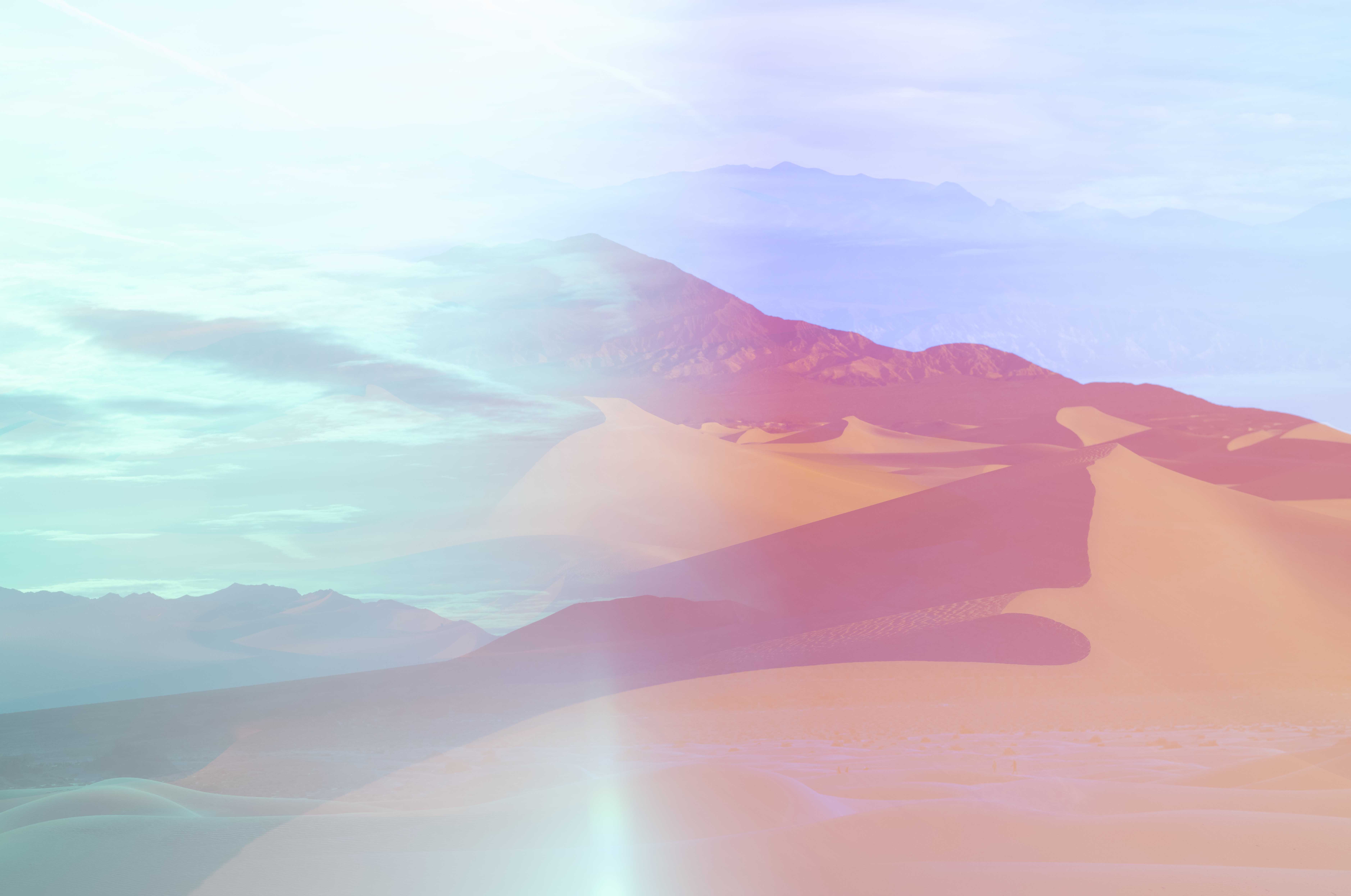
Death Valley is a popular national park, about two hours from Las Vegas, Nevada. While the dunes are large and dynamic, they are not as expansive as those at White Sands.
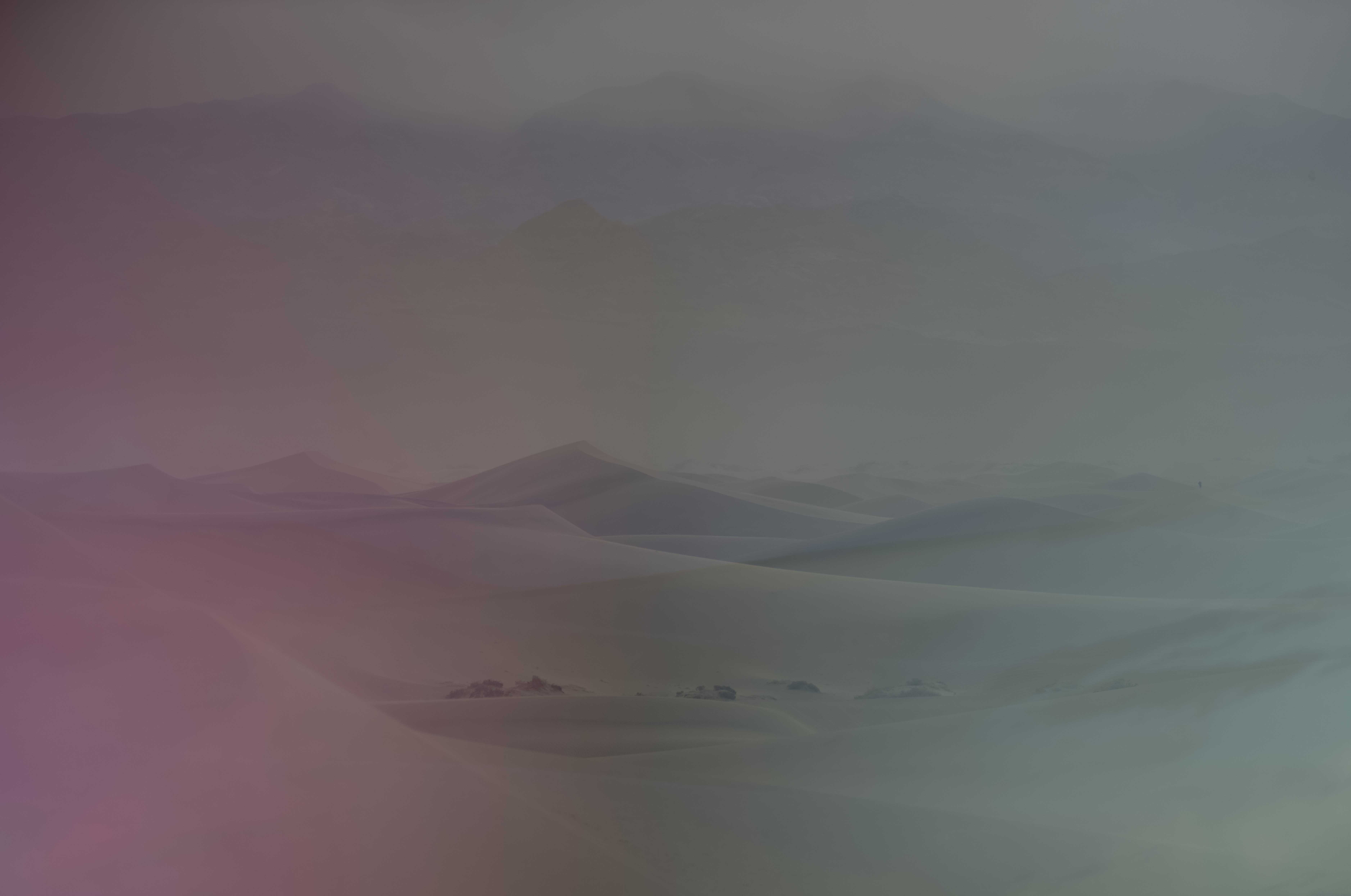
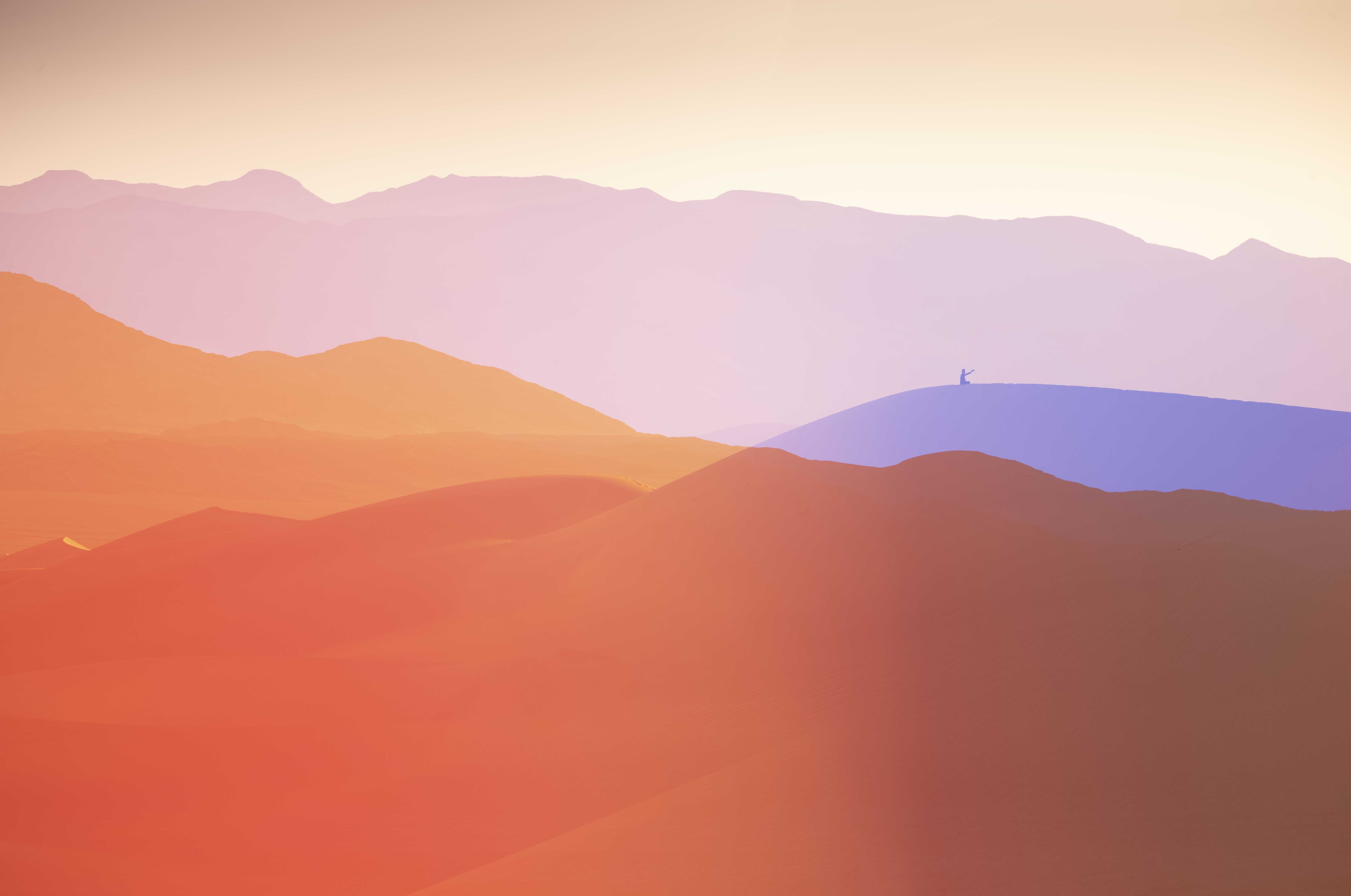
White Sands, located in a remote area of New Mexico, is much larger and less crowded. I made ten trips between 2020 and 2021, five to each location.
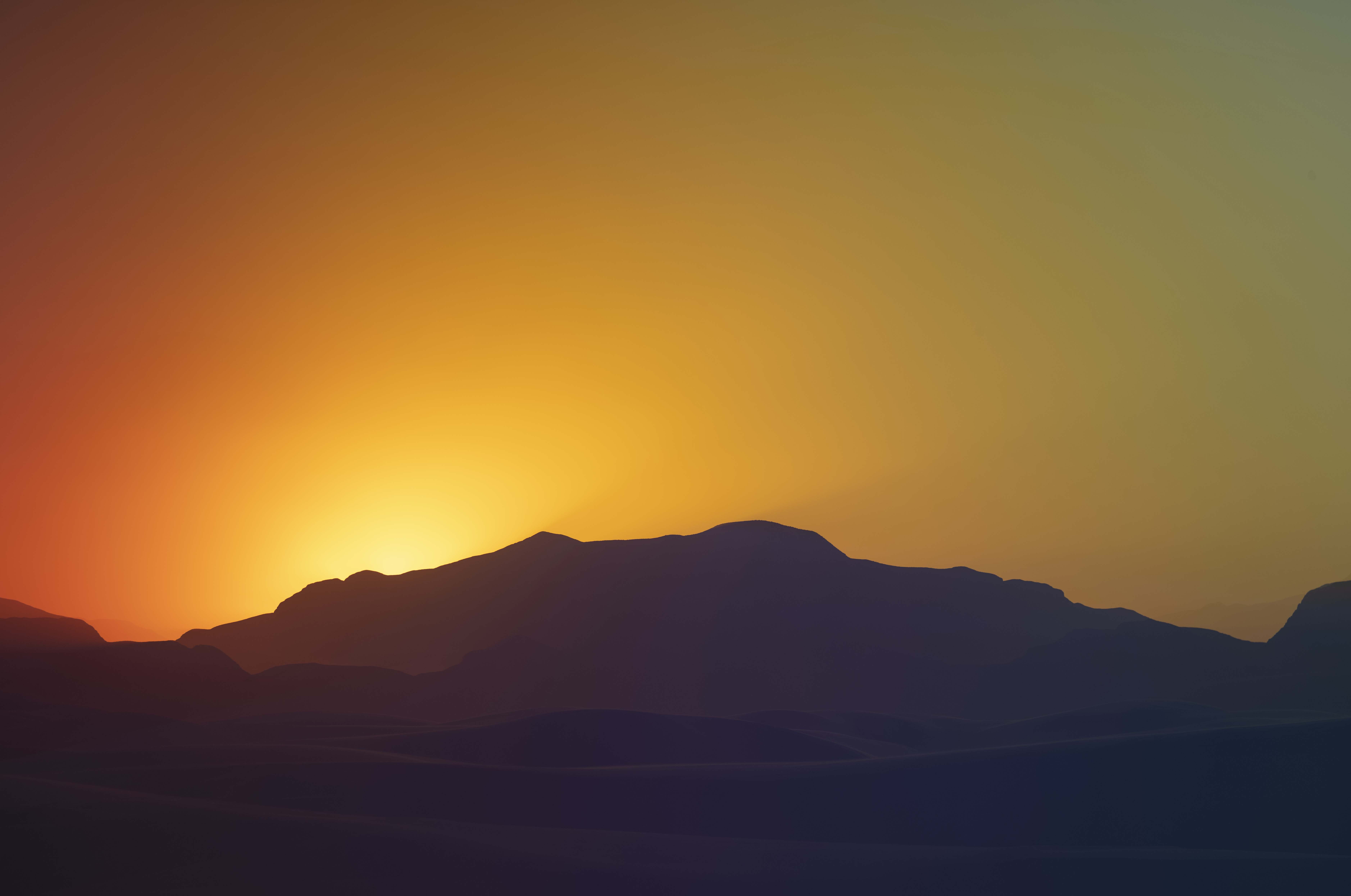
I have vivid memories of hiking to the dunes in the pre-dawn darkness and returning to my car after sunset. Navigating Mesquite Flats was relatively easy, as the parking lot was visible from most points. White Sands, however, was different. Its vastness often led to disorientation, and I frequently ended up at the wrong parking lot.
Eventually, I used GPS to mark my parking spot.
The white sand of White Sands is composed of gypsum eroding from nearby mountains, accumulating in this low-lying area of the high desert to form massive dunes. At times, I felt like I was on an alien planet, a place unlike any other I had experienced.
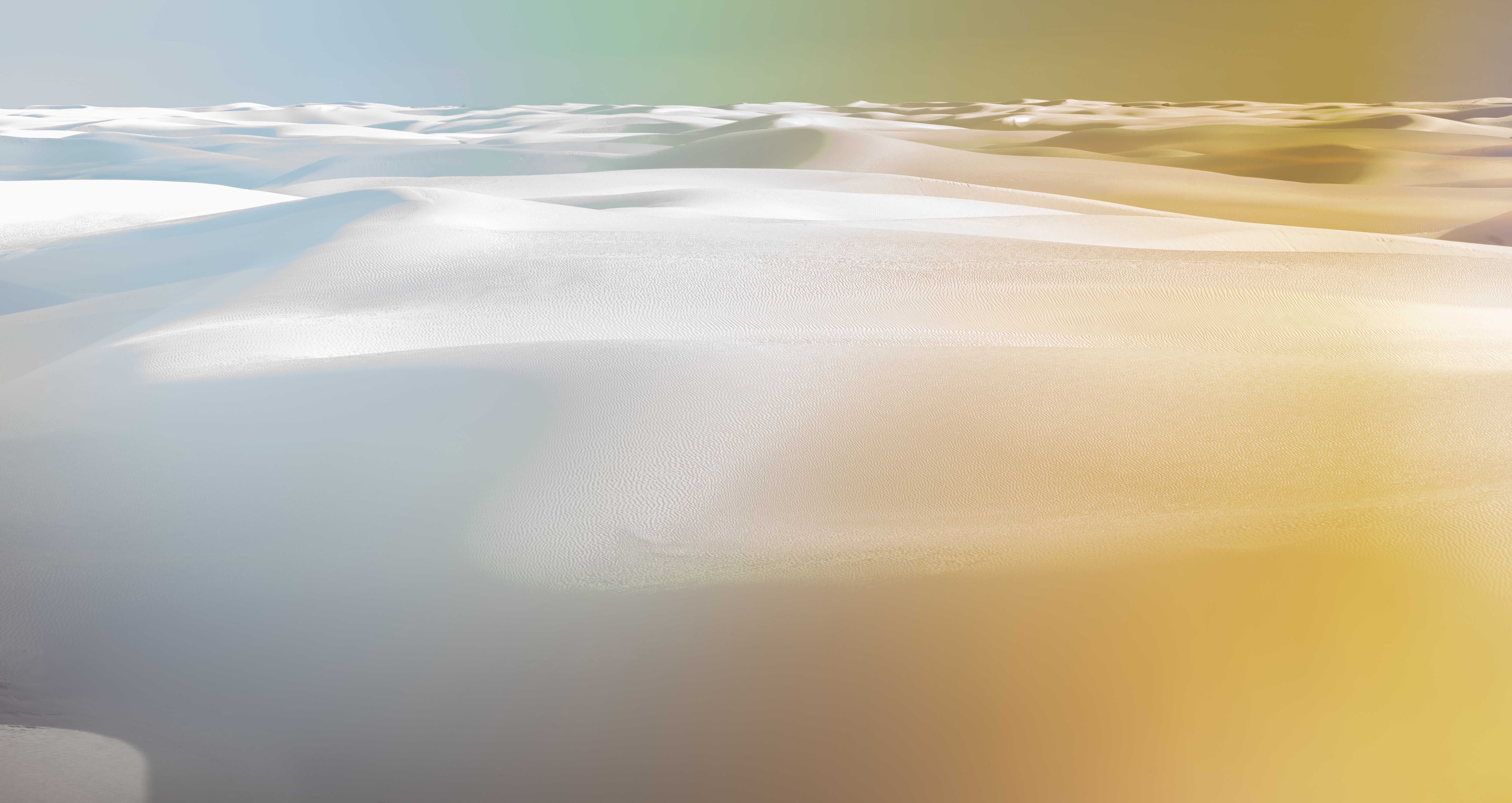
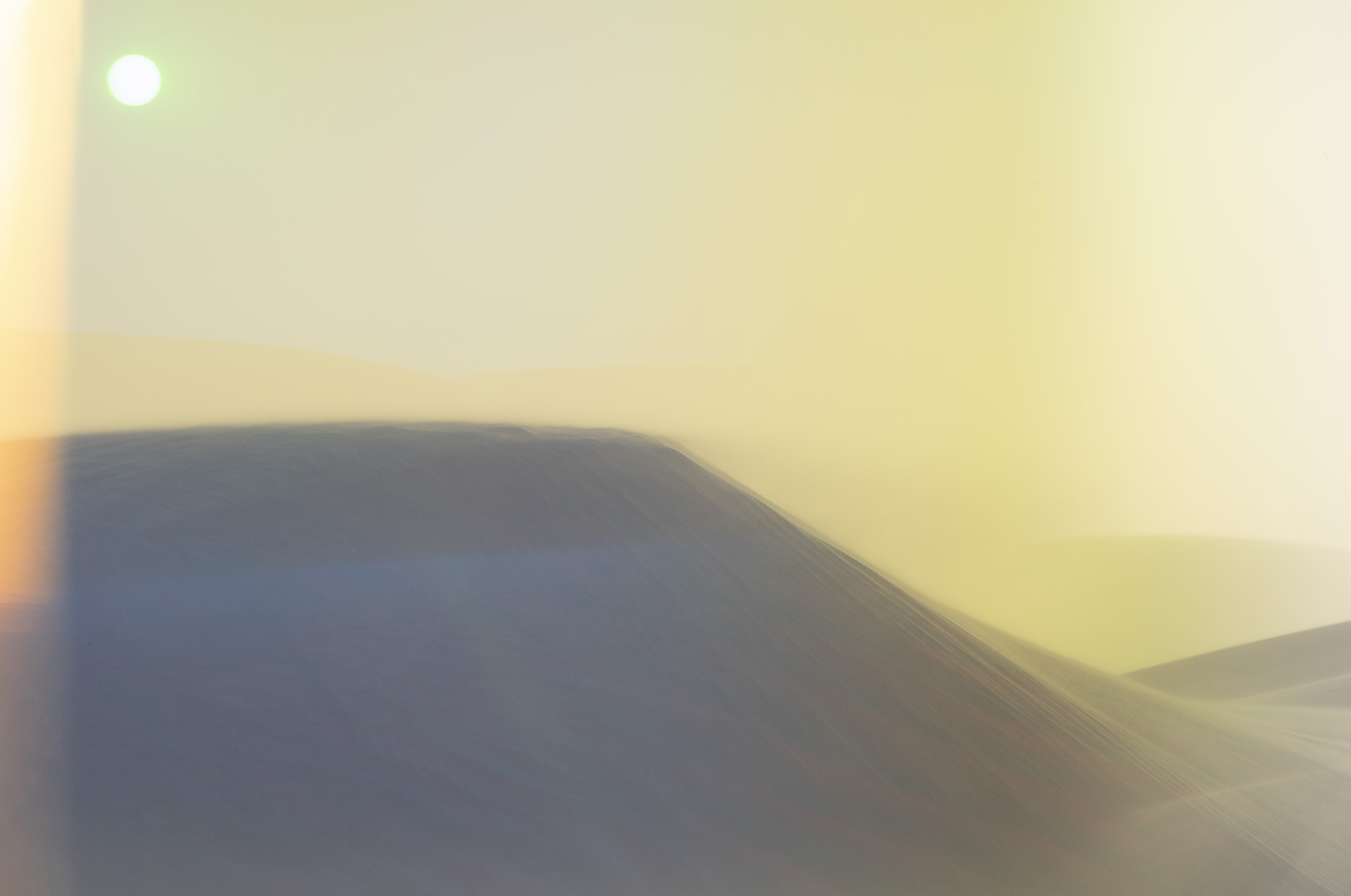
I photographed extensively during the mornings and evenings. During the day, I processed images and explored the surrounding areas.
The schedule was demanding, but I made it work.
I accumulated hundreds of excellent photos from these trips. My last trip was to White Sands in April 2021. I felt I had captured enough material to begin promoting the Prismatic Dunes portfolio.
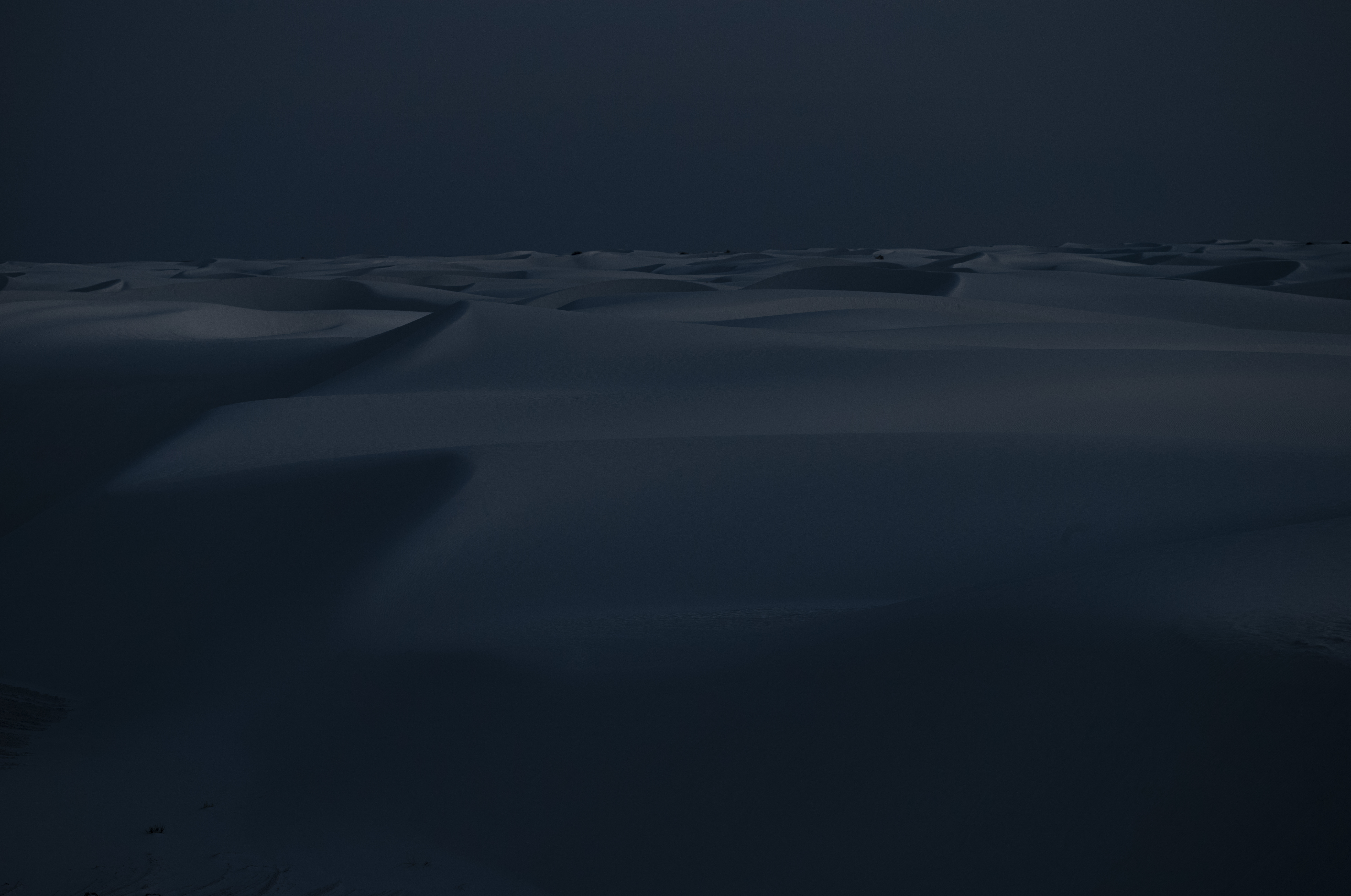
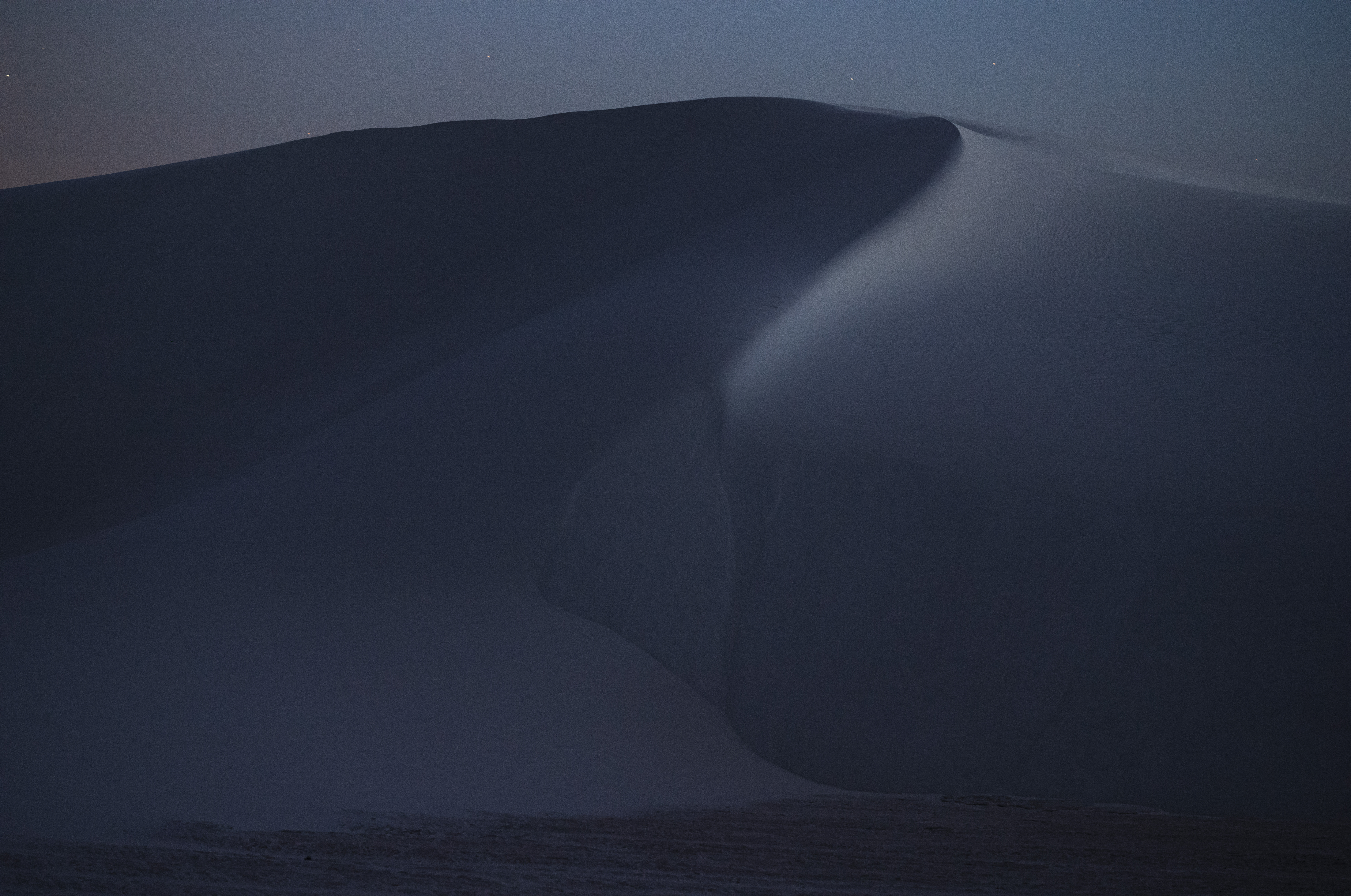
Towards the end of my trips, I began photographing the dunes at night, timing my visits with the full moon cycle. Some of these images, though taken without the prism, are among my favorites, illustrating the organic evolution of my portfolios.
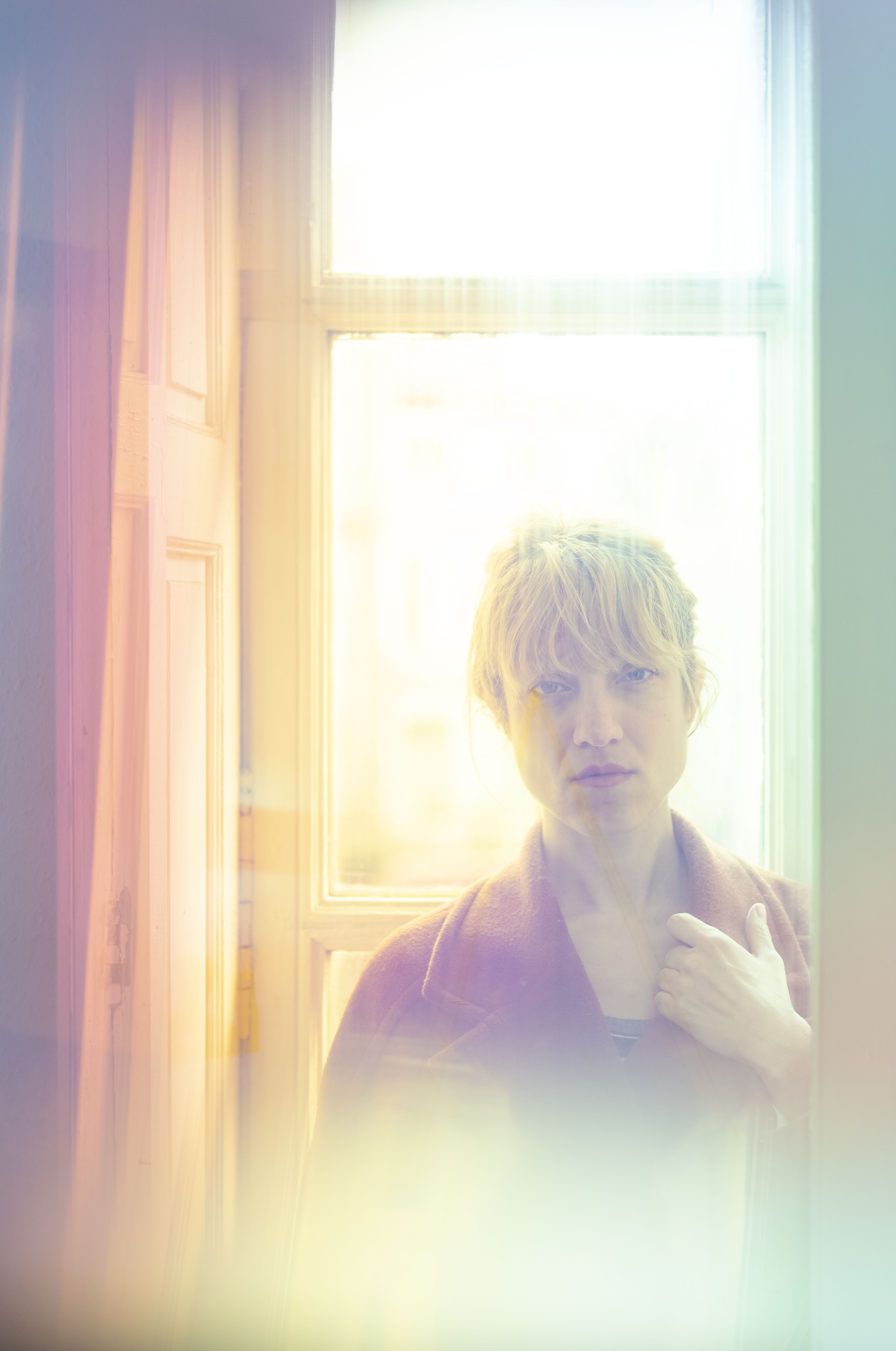
While in France I used the prism to shoot portraits too. Below is an example of this idea.
I’m unsure of the future of my Prismatic Dunes portfolio. The images are listed on my website, and I’ve sold a few, but I feel they haven’t yet found their true place in the world.
 jonballblog.com