
I’ve worked my whole life trying to figure out how to achieve the things I want. I’ve read many books on the subject, and experimented over the last 26 years since I started my first business, Jon Ball Photography.
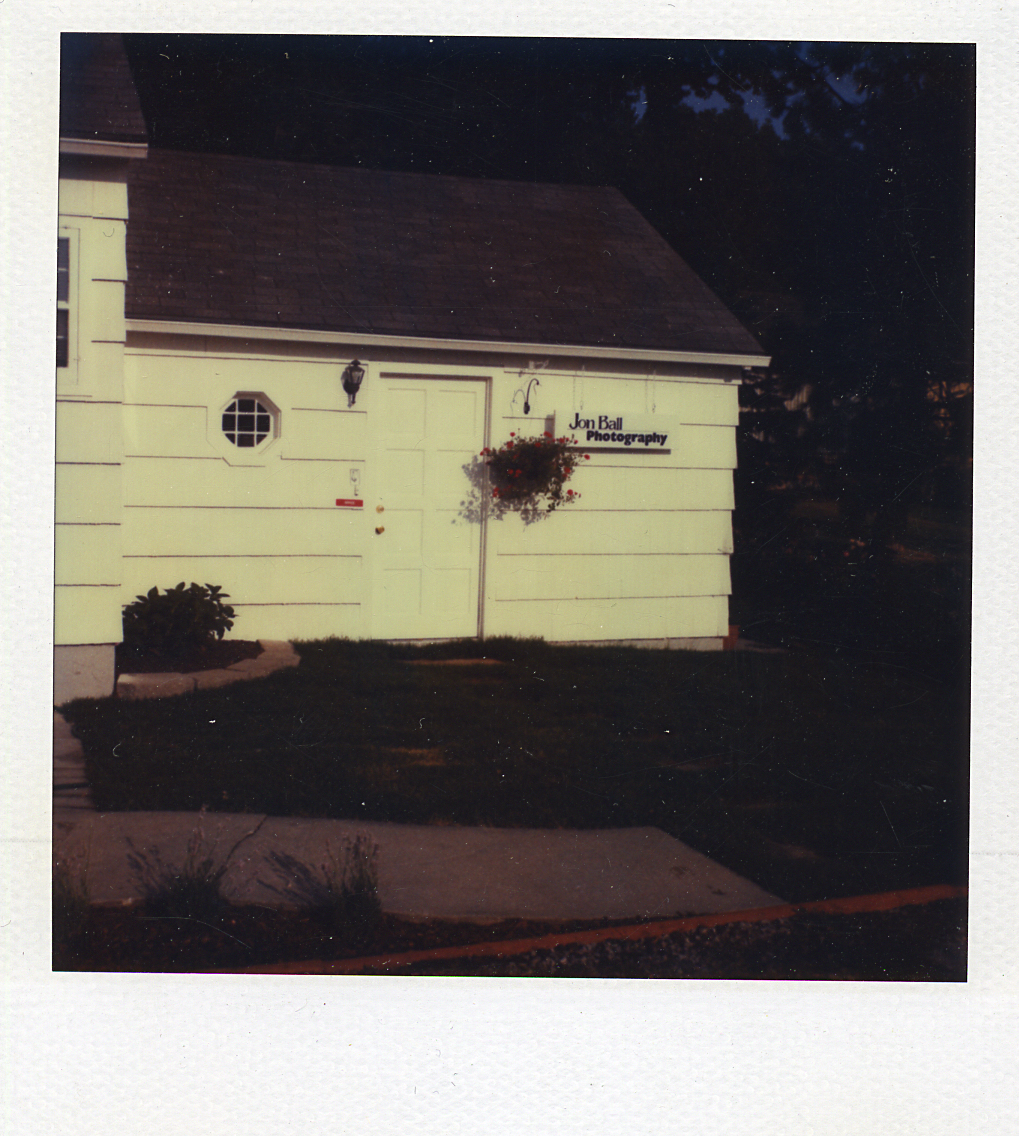
Since then I’ve owned and operated 6 businesses and have worked very hard to get myself in a good place. But you don’t have to start your own business to utilize the principles below. They apply to everything in your life including your relationships, your hobbies, your YouTube channel, everything.
Finally at age 51 I think I have an idea about how to get things done. I’ve learned how to complete large projects without burning myself out.
But I’ve made a million mistakes and have wasted years and years of time.
I’ve boiled it down to the top 12 ways that I get things done. If you abide by these principles I promise that you’ll see significant progress in your life.
1. Write it down.
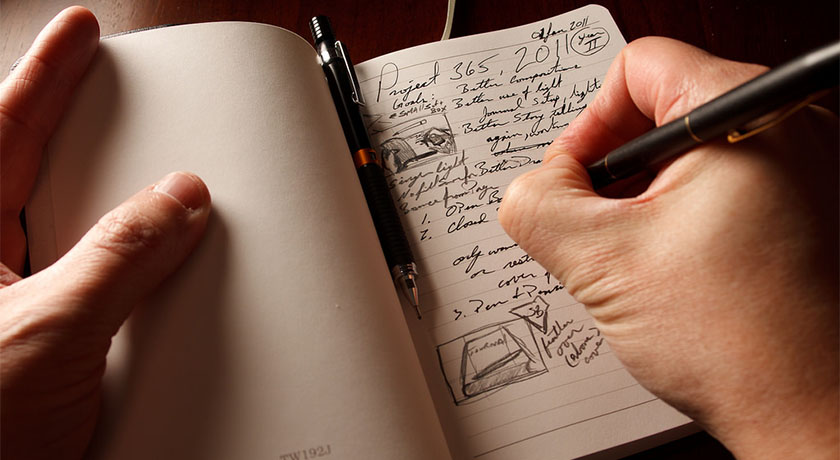
Ideas that live in your brain are “soft.” They change, get forgotten or lost. Writing down everything about your desires and goals is the first step. Keep a journal. Write your objectives, struggles, conclusions, plans, failures, successes, ideas. Write it all. This will untangle the mess that lives in your mind. I use Google docs so I can write on my phone, iPad or my computer. I can read or write anywhere. I keep 2 journals. One for my personal life and one for my photography. My fine art photography is my main pursuit outside of taking care of my family and running my business.
Thoughts are mushy. Words are concrete. Words are tangible footholds for your mind and spirit. The universe responds to specific terms.
Even if you’re not sure what you want, start by writing,”I don’t know what I want but I know I want….” It can start with the simple desire to have more money or a better relationship. If you need to start with abstract desires it’s fine.
Write it out. Keep writing. You’ll start to figure it out. I journal about 5 days a week. It takes between 10 and 20 minutes. I choose to journal over working out, scrolling social media or any other activity. Journaling reminds me of my goals and gives all my thoughts and fears a place to live.
2. You’re going to be terrible at everything at first.
I often hear people say something like “I’m not good at that. Or I can’t do that.”
Most people believe the fallacy that there are things that they’re good at and things that they’re not good at, and it’ll never change. They think that’s just the way it is. They never pursue anything they’re not “good at”.
Yes, everyone is blessed with a unique blend of talents. But talents are nothing more than a head start. You can learn anything. Just start where you are with what you have.
Imagine learning to play the piano. Your first lesson will be painful. Your fingers won’t know the notes at first. They’ll fumble around. But if you practice regularly for 5 years you’ll be playing the piano at a high level. Yes, 5 years is a long time but that’s what it takes to get good at the piano! And that’s just the beginning. Imagine playing consistently for another 5 years. You’d be a great pianist, even if you started by playing a one note song.
My wife, Samantha, wanted to learn a new skill for personal fulfillment. She enrolled in an RTT training program that took her over 6 months to complete. I remember her crying about how hard it was for her at first. Now she’s a working professional.
You’re going to be terrible at everything at first. Expect to fail.
3. You can learn it.
Anything you want to do will require new skills. Just because you didn’t go to school and get a degree in something doesn’t mean it can’t be learned. You can learn anything you want. I’ve noticed that many people learn what they learn in school and then they stop gaining direct knowledge and skills. They just go with the skills they have forever.
It’s like they’ve decided that they’re done learning new skills. Think of yourself as a capable, intelligent being. Because that’s what you are. You can learn anything.
My brother Zach and I wanted to get involved in SEO. We had absolutely no idea what we were doing. We sat and read the entire book SEO for Dummies out loud over a couple of months. We learned it on our own.
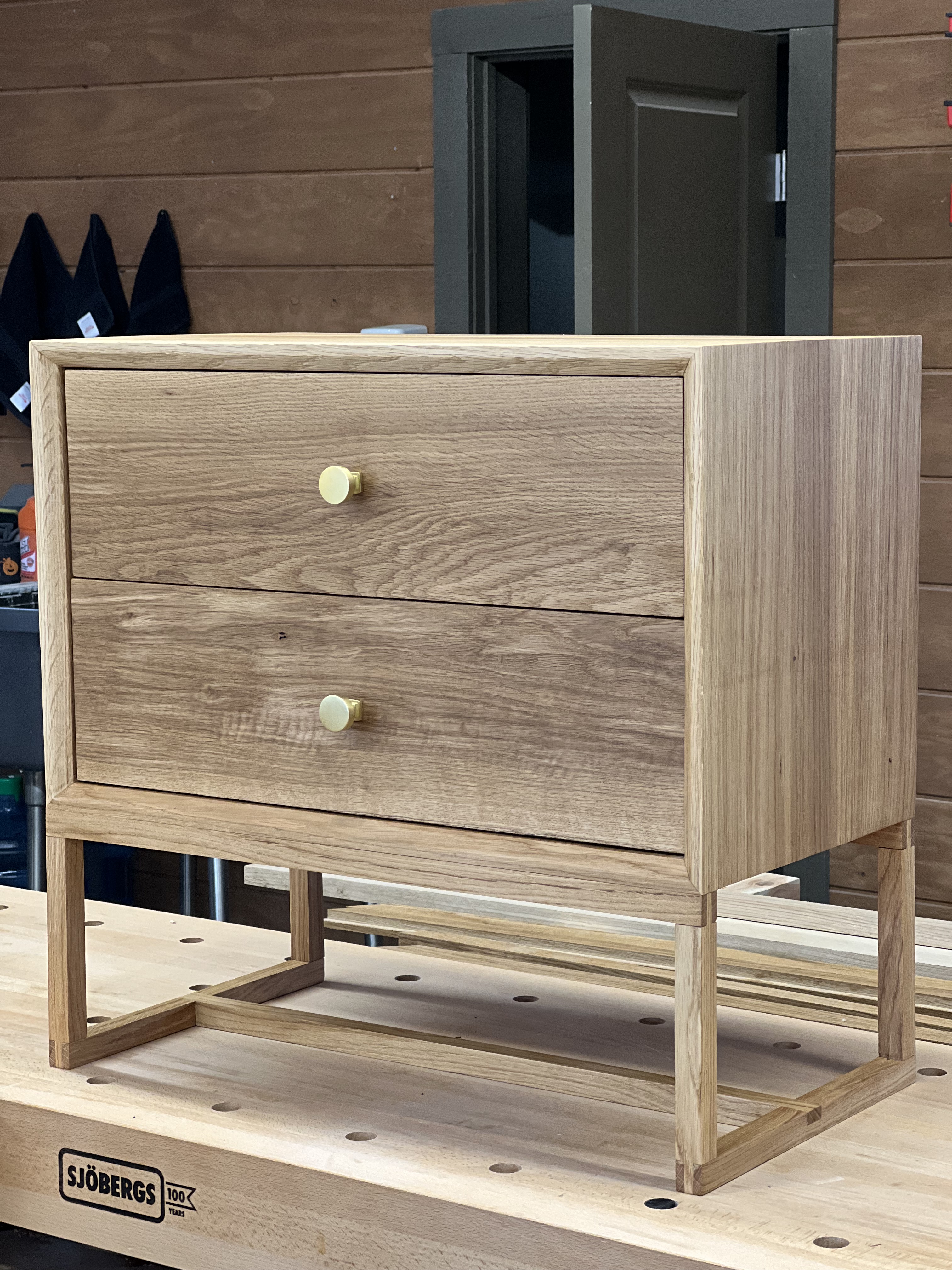
I’ve always had an interest in woodworking and about 3 years ago I wanted to make beautiful furniture. I started making work tables for my shop and it progressed from there. Since I decided to be a woodworker I’ve watched hundreds of hours of YouTube videos. I’ve even attended workshops to teach myself about how to build furniture. Now I’ve built a lot of cool stuff. I’ve built tables, chairs, night stands, dressers, tables, coffee tables and other stuff.
4. Give yourself a break.
It’s not going to go as planned. You’re going to fail. You’ll lose time. You’ll fall asleep. You’ll forget to do something on time. It’s OK. Be flexible and give yourself a break.
I’ve never had any long term plans happen as I expected. You live in a fallen world with evil influences all around you. It’s OK to lose a day, a year, a decade. Allow your humanity to be human. Just get back on track as soon as you can.
5. Respect your time.
Your time is the most valuable asset you have. Respect it. Don’t just give it away or waste it on nothing. Imagine that every day you’re given $24,000 to spend. You can’t save it or put it in the bank. It vanishes every night at midnight. Each day you’re given 24 hours to spend any way you’d like. Your time is by far the most valuable thing you have. Respect yourself by respecting your time.
Think critically about how you’re spending your time. If you need to make changes then do it!
6. Go to bed early.
Train yourself to go to bed at 10PM. Staying up late into the night is almost always unproductive. Netflix and chill is good on occasion but it’s a real time thief.
The easiest way to wake up early the next day is to go to bed early.

7. Wake up early.
The hours between 5AM and 7AM are the most productive hours of my day. Wake up, turn off distractions and write in your journal, make plans, think about what you’re doing.
I write for an hour and then write in my journal. Then I read my scriptures to connect with God. Then I fine tune my plans for the day. So by 7AM I’ve already done some of the most important things of the day.
8. Plan your days.
Make a plan for your day. Don’t waste any time. Have a plan for the 2-3 hours after dinner. Make a plan for the afternoon. Make a plan. Don’t waste your valuable time.
Plan to take breaks in your day. You can’t pack your day completely full of productive things. I actually schedule breaks. Usually 1 or 2 hours each day after lunch.
9. Make a list.
I maintain several lists on my iPhone in the Notes app. I have to do lists for every aspect of my life. If I’m unsure about what I need to do, I use those lists to remind myself. It’s impossible to keep it all in your mind.
The mind is a playground of thoughts, feelings and loose ideas. Make it concrete by writing it down.
10. Consistency is the most important thing.
Giving up is death.
What if you hadn’t ever quit the trumpet as a kid? You’d be an amazing trumpet player. What if you never gave up on your novel? You’d have a novel written. Write in a journal every day and you’ll have an amazing document to refer to. Consistency isn’t just key. It’s the most important thing you can do.
If you don’t feel like waking up just do it. You’re an emotional being. Accept those emotions and separate yourself from them.
Never give up.
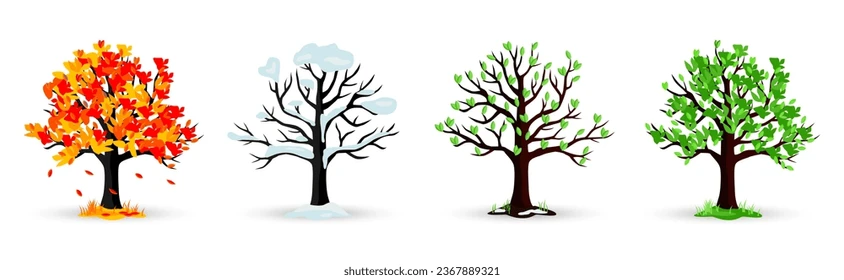
11. Recognize the seasons.
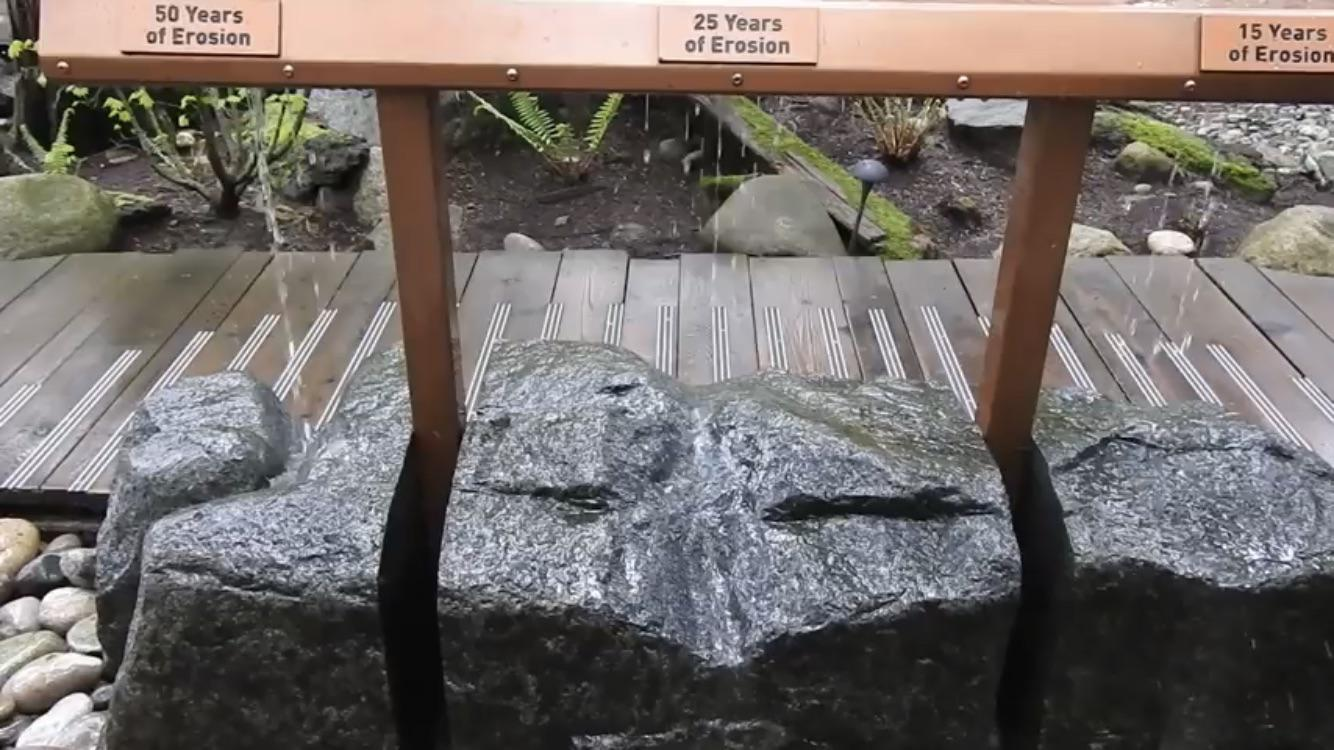
About 5 years ago I started noticing that the seasons play an important role in my life. Spring is rebirth. Summer is fun. Fall is a return to work, and Winter is ideal for bearing down and working hard. Allow yourself to follow the seasons. Give yourself permission to put a pause to the activities that don’t work in a certain season.
For instance I don’t do woodworking in the summer. It’s too hot. I go fishing like crazy in the summer. It’s so fun. I don’t push myself to do photography in the winter. It’s too cold. I work on other things through the winter. Consider the seasons and plan accordingly.
12. Break it down to bite sized pieces.
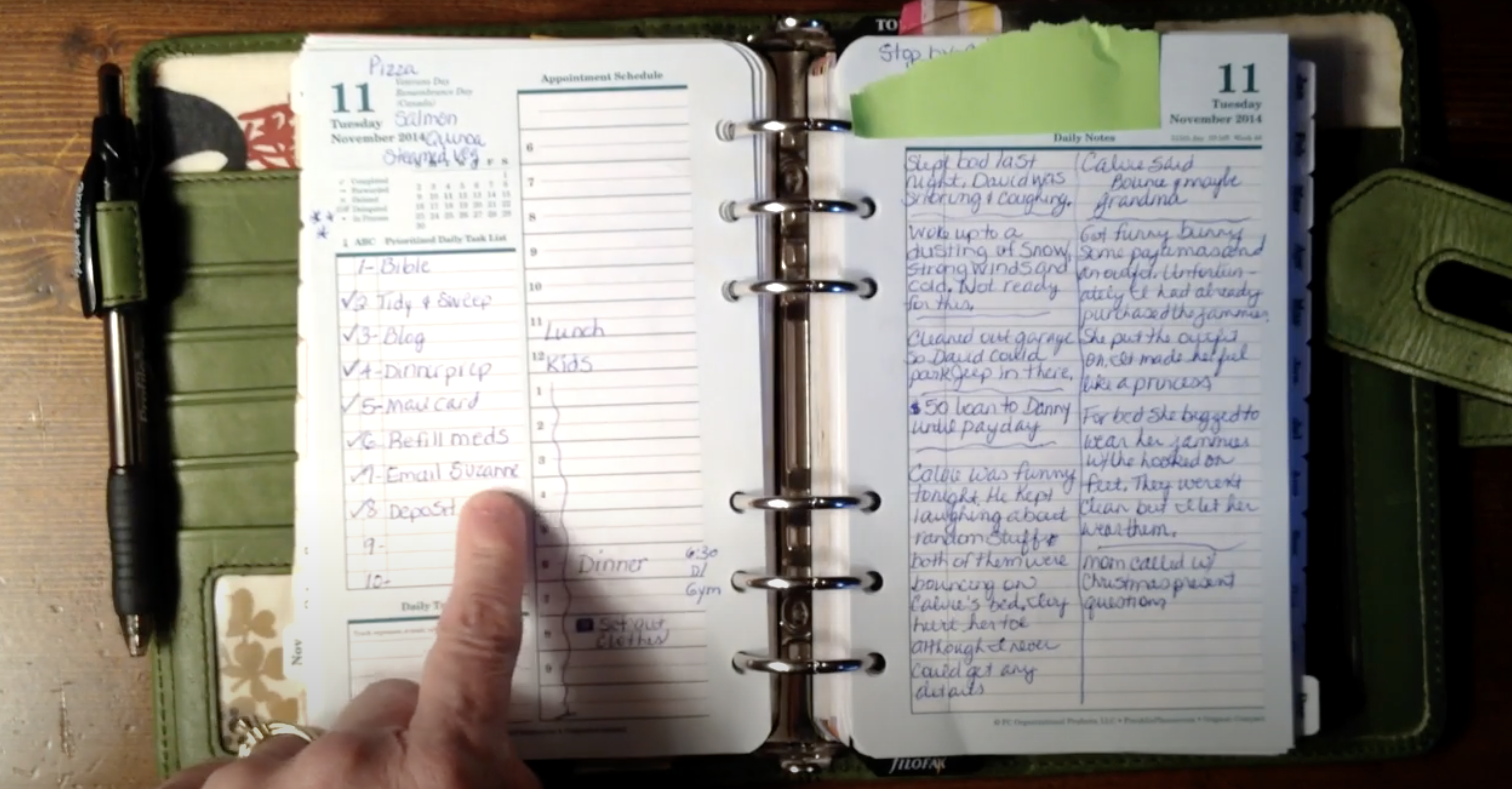
Years ago the Franklin planners were a very popular time management system. Franklin had this cute little quip that said “the only way to eat an elephant is one bite at at time.” It was cute and true.
Use your journal and lists to organize the large project into bite sized pieces. Schedule time to work on them and just keep at it. I’ve written two books, and have one on the way using this method. I write 1000 words a day. A book consists of about 75 to 100 thousand words. I can write an entire book in about 100 days.
Break it down. Make it reasonable. Don’t burn yourself out.
You can have the life you want. You can achieve great things. It won’t happen overnight but if you start to develop yourself using these principles you can do it.
 jonballblog.com
love it!